
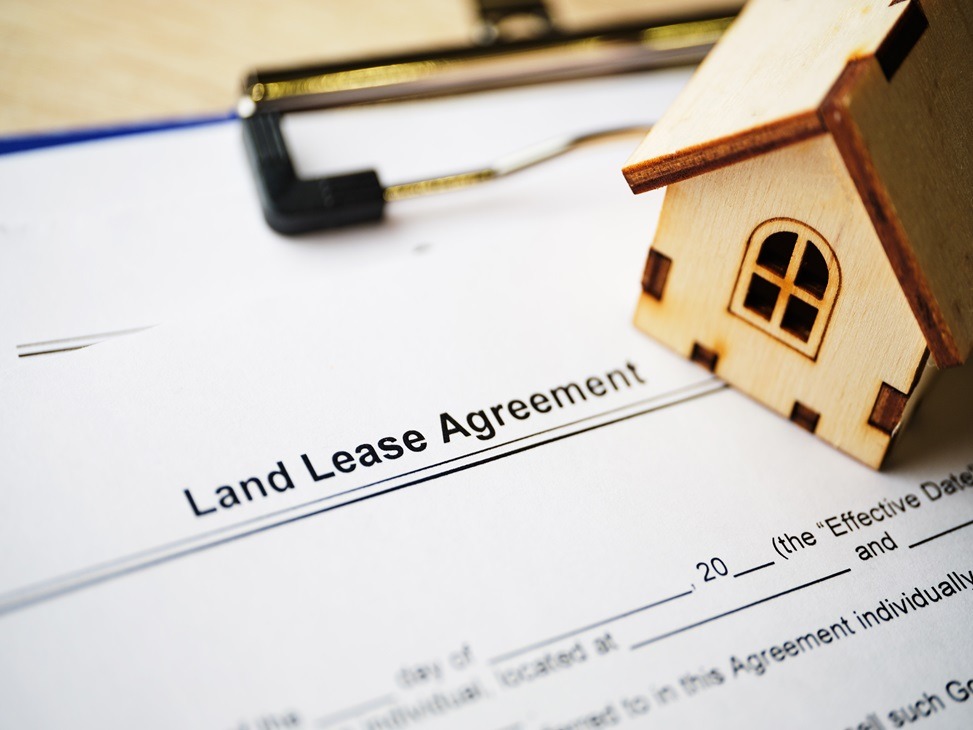
Property leasehold in Thailand represent one of the most common legal mechanisms through which foreigners and investors obtain long-term rights over land and real estate. Because Thai law generally restricts foreign ownership of land, leasehold structures have evolved as a legally recognized alternative that allows possession, use, and economic benefit from property without transferring ownership.
Understanding leasehold property in Thailand requires more than familiarity with contract terms. The enforceability of rights depends on statutory compliance, registration requirements, succession limitations, and practical risk management. This article examines leasehold property from a legal and operational perspective, providing a comprehensive overview of how leaseholds function under Thai law.
Legal Basis of Leasehold Rights in Thailand
Leasehold rights in Thailand are governed primarily by the Thai Civil and Commercial Code (CCC), particularly Sections 537–571 relating to hire of property. A lease agreement grants the lessee the right to possess and use immovable property for an agreed period in exchange for rent or consideration.
Unlike ownership, a lease does not transfer title. The lessor retains ownership while granting temporary possessory rights to the lessee.
Thai law recognizes leasehold arrangements for:
-
Residential property
-
Commercial premises
-
Land for development
-
Industrial or agricultural use
A lease agreement becomes legally enforceable against third parties only when properly registered with the Land Office.
Maximum Lease Term and Renewal Structure
One of the defining characteristics of leasehold property in Thailand is the statutory limitation on duration.
Maximum Lease Period
Thai law allows a maximum lease term of:
30 years per registered lease period
Any lease exceeding 30 years must be divided into separate contractual periods.
Although agreements frequently include renewal clauses extending occupation beyond 30 years, renewal provisions do not automatically bind future owners unless a new lease is formally registered.
This distinction is critical:
-
The first registered lease creates a real right enforceable against successors.
-
Renewal promises are contractual obligations only between original parties.
If ownership of the land changes, renewal enforcement may become legally uncertain.
Registration Requirements
Lease registration is essential for legal protection.
A lease exceeding three years must be registered at the Land Office to be enforceable against third parties. Unregistered long-term leases may remain valid between contracting parties but cannot bind subsequent purchasers or creditors.
Registration requires:
-
Written lease agreement
-
Identification documents of parties
-
Land title deed
-
Payment of registration fees and stamp duties
Once registered, the lease annotation appears on the land title deed, ensuring public notice of the lessee’s rights.
Rights Granted to the Lessee
A properly registered lease grants substantial practical control over property use.
Typical lessee rights include:
-
Exclusive possession of land or buildings
-
Residential or commercial occupation
-
Construction of buildings (subject to agreement)
-
Subleasing rights
-
Assignment of leasehold interests where permitted
In many developments, leaseholders construct homes or commercial structures on leased land. Ownership of buildings may belong separately to the lessee even though the land remains owned by the lessor.
This separation between land ownership and building ownership is legally recognized in Thailand.
Transfer and Inheritance of Leasehold Rights
Leasehold interests may generally be transferred or assigned if permitted under the lease agreement. However, restrictions commonly appear in contracts requiring lessor consent prior to transfer.
Inheritance presents additional legal complexity.
Under Thai law, leasehold rights may pass to heirs if:
-
The lease agreement allows succession; and
-
The lease remains within its registered term.
However, heirs do not automatically receive renewal rights unless a new agreement is executed and registered. Consequently, leasehold property does not provide perpetual control comparable to ownership.
Leasehold Versus Ownership: Practical Distinction
While leasehold property can function similarly to ownership during the lease term, the legal distinction remains significant.
Ownership provides:
-
indefinite duration,
-
full transfer rights,
-
permanent control.
Leasehold provides:
-
time-limited possession,
-
contractual dependence on the lessor,
-
potential renewal uncertainty.
For foreign investors unable to own land directly, leasehold arrangements are often combined with alternative legal structures such as condominium ownership or corporate holding arrangements to balance risk exposure.
Risks Associated with Leasehold Property
Leasehold arrangements involve several identifiable legal risks.
1. Renewal Risk
Renewal clauses may not bind future landowners, particularly following sale, inheritance, or foreclosure of the property.
2. Lessor Default or Dispute
If the lessor breaches obligations or becomes insolvent, enforcement may require litigation despite registration protections.
3. Mortgage Priority Issues
A mortgage registered before the lease may take priority, potentially affecting lease security if foreclosure occurs.
4. Development and Zoning Restrictions
Construction rights depend on both contractual permission and regulatory compliance with local building laws.
Careful due diligence prior to entering a lease agreement is therefore essential.
Risk Mitigation Strategies
Experienced legal practitioners commonly recommend safeguards designed to strengthen leasehold security.
These may include:
-
Registration of superficies rights allowing building ownership independent of land ownership
-
Long-term prepaid lease structures
-
Registration of usufruct rights in certain residential cases
-
Clear succession clauses
-
Lessor consent provisions for transfer and sublease
While no mechanism converts leasehold into ownership, layered legal protections significantly reduce uncertainty.
Commercial and Investment Use of Leasehold Structures
Leaseholds are widely used in Thailand’s hospitality, retail, and industrial sectors. Hotels, resorts, and commercial developments frequently operate under long-term land leases rather than ownership.
From an investment perspective, leasehold value typically declines as the remaining lease term shortens. Buyers and financial institutions evaluate leasehold property primarily based on remaining years and enforceability of renewal arrangements.
Investors should therefore consider exit strategy timelines when acquiring leasehold interests.
Termination of Leasehold Rights
Leasehold agreements may terminate upon:
-
expiration of registered term,
-
mutual agreement,
-
contractual breach,
-
destruction of property,
-
court order.
Upon termination, possession returns to the lessor unless separate rights regarding structures or compensation exist within the agreement.
Buildings constructed by the lessee may transfer ownership to the landowner depending on contractual provisions.
Conclusion
Property leasehold in Thailand serves as a legally recognized and widely utilized mechanism allowing long-term occupation and economic use of land where ownership restrictions apply. When properly structured and registered, leasehold rights provide substantial practical control over property during the lease period.
However, leasehold interests remain fundamentally contractual and time-limited. Their long-term security depends on careful drafting, statutory registration, and informed risk management rather than assumptions of ownership equivalence.
Foreign investors, developers, and long-term residents should therefore approach leasehold arrangements with a clear understanding of renewal limitations, inheritance implications, and enforcement considerations. Proper legal structuring ensures that leasehold property functions as a reliable and predictable investment within Thailand’s property law framework.