
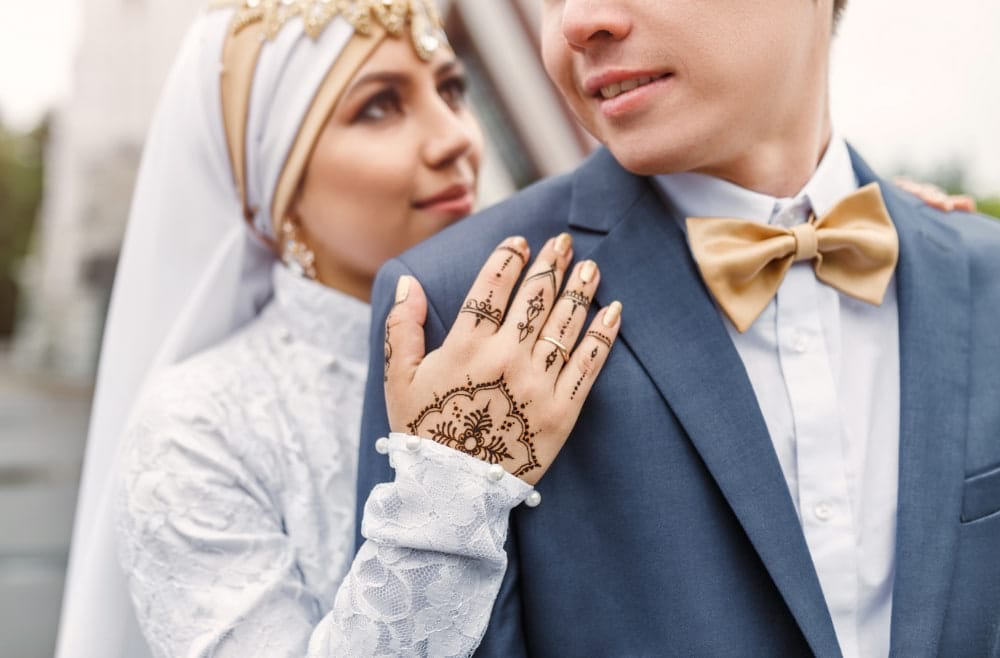
Muslim marriage in Thailand operates within a dual legal framework that blends Islamic religious practices with Thai civil law. Although Thailand is predominantly Buddhist, it formally recognizes religious diversity, including the rights and customs of its Muslim population—particularly in the southern provinces such as Pattani, Yala, Narathiwat, and Satun, where Islamic traditions are deeply embedded in community life.
For Muslim couples, marriage typically involves two interconnected components: the Islamic marriage contract (Nikah) and civil registration under Thai law. A common misconception is that the Nikah alone is sufficient for legal recognition. In reality, Thai law requires formal registration at the district office (Amphur) for a marriage to be legally enforceable.
This dual system creates both flexibility and complexity, especially in cases involving foreign nationals, cross-border marriages, or disputes over property, inheritance, or child custody. This article provides an in-depth examination of Muslim marriage in Thailand, including religious requirements, legal procedures, regional considerations, and practical legal implications.
Islamic Marriage (Nikah) in Thailand
Definition and Nature of Nikah
A Nikah is a religious contract under Islamic law (Sharia) that establishes a lawful union between a man and a woman. It is not merely ceremonial—it defines rights, obligations, and responsibilities within the marriage.
Essential Elements of a Valid Nikah
For a Nikah to be valid in Thailand, the following elements are generally required:
- Mutual consent of both parties
- Presence of a Wali (guardian) for the bride (depending on Islamic interpretation)
- At least two Muslim witnesses
- Agreement on the Mahr (dowry)
- Formal officiation by an Imam or recognized Islamic authority
The ceremony is typically conducted in a mosque or Islamic center, and documentation may be issued by local Islamic committees.
Religious vs Civil Marriage Recognition
1. Religious Recognition
A Nikah is valid under Islamic law and recognized within the Muslim community. It fulfills religious obligations and establishes a lawful relationship in a spiritual context.
However, it does not automatically grant legal status under Thai law.
2. Civil Registration
Under the Thai Civil and Commercial Code, a marriage becomes legally valid only when registered at the district office.
Importance of Civil Registration
Without civil registration:
- spouses may lack enforceable legal rights
- inheritance claims may not be recognized
- property ownership rights may be disputed
- immigration benefits (such as spouse visas) may not be available
- children’s legal legitimacy may be affected
Therefore, completing both the Nikah and civil registration is essential.
Marriage Registration Process
Required Documents
For Thai nationals:
- Thai national ID card
- house registration (Tabien Baan)
For foreign nationals:
- passport
- affidavit of freedom to marry (issued by embassy)
- translated and legalized documents
Additional documents may include:
- divorce certificate (if previously married)
- death certificate of former spouse
Procedure
- submission of documents at the district office
- verification by officials
- signing of marriage register
- issuance of official marriage certificate
Application of Islamic Law in Southern Thailand
In certain southern provinces, Islamic law plays a more prominent role.
Regional Context
In provinces such as Pattani and Narathiwat:
- Islamic family law may influence court decisions
- Islamic legal advisors may assist judges
- matters such as inheritance and marriage may reflect Sharia principles
Limitations
- civil registration is still required
- Thai courts retain ultimate authority
- Islamic law is not uniformly applied nationwide
Marriage Requirements for Foreign Muslims
Foreign Muslims must comply with both religious and civil requirements.
Legal Documentation
Foreigners must obtain:
- affidavit of single status from their embassy
- translation into Thai
- legalization by the Ministry of Foreign Affairs
Religious Ceremony
Foreign Muslims may conduct a Nikah in Thailand if:
- Islamic conditions are met
- proper documentation is provided
- local Islamic authorities approve
Interfaith Marriage Considerations
Islamic law generally requires both parties to be Muslim for a valid Nikah (depending on interpretation).
Options for Interfaith Couples
- conversion to Islam for religious marriage
- civil marriage registration without Nikah
Thai law allows interfaith marriage, but religious recognition depends on Islamic principles.
Marital Property Rights
Once registered, marital property is governed by Thai law.
Property Classification
- Sin Suan Tua (personal property) – individually owned
- Sin Somros (marital property) – jointly owned
Assets acquired during marriage are generally considered joint property.
Divorce in Muslim Marriages
Religious Divorce
Islamic divorce (e.g., talaq) may be recognized within the religious framework but does not automatically dissolve the marriage legally.
Civil Divorce
For legal effect, divorce must be:
- registered at the district office (mutual consent), or
- ordered by a Thai court
Child Legitimacy and Custody
Marriage registration directly affects children’s legal status.
Key Points
- children born within a registered marriage are legally recognized
- custody decisions are based on the child’s best interests
- Islamic principles may influence decisions in certain regions
Inheritance Rights
Inheritance depends on whether the marriage is legally recognized.
Without Civil Registration
- spouse may not be recognized as a legal heir
With Civil Registration
- spouse gains inheritance rights under Thai law
- Islamic inheritance rules may apply in specific cases
Common Legal Issues
Muslim couples may face challenges such as:
- relying solely on Nikah without civil registration
- incomplete documentation for foreign spouses
- disputes over Mahr
- confusion between religious and civil divorce
- property and inheritance conflicts
Practical Recommendations
To ensure legal protection:
- complete both Nikah and civil registration
- maintain proper documentation
- legalize foreign documents correctly
- consider prenuptial agreements
- seek legal advice for complex or international cases
Conclusion
Muslim marriage in Thailand reflects a dual legal system that integrates Islamic religious practices with civil legal requirements under the Thai Civil and Commercial Code. While the Nikah fulfills religious obligations, it does not provide full legal recognition unless the marriage is formally registered.
Understanding this distinction is essential for securing rights related to property, inheritance, immigration, and family law. In southern regions, Islamic principles may influence certain decisions, but Thailand remains fundamentally governed by civil law.
By ensuring compliance with both religious and legal requirements, Muslim couples can achieve a marriage that is recognized both spiritually and legally, providing long-term stability and protection.